
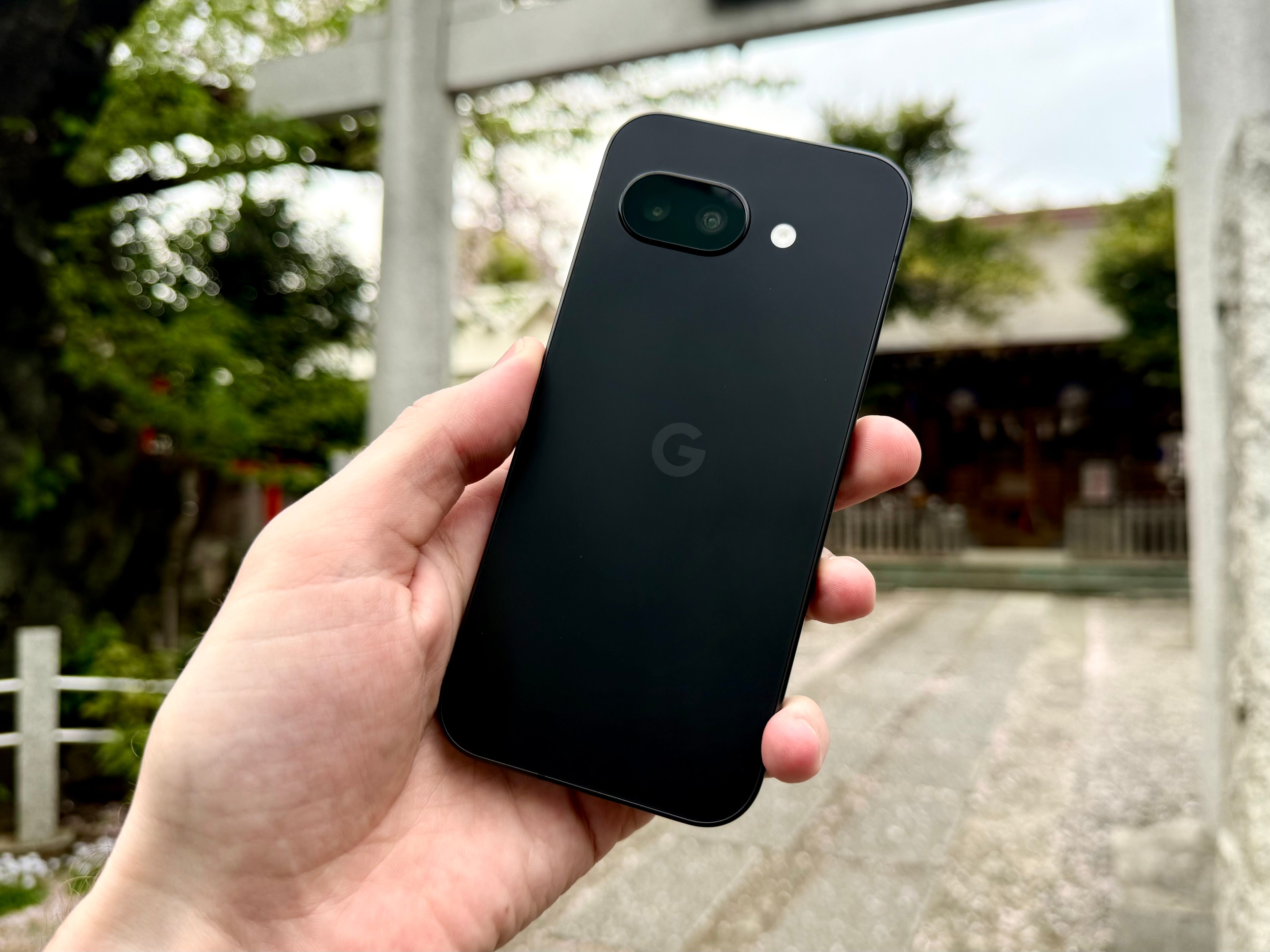
Ah, the Google Pixel 9a. The latest iteration in Google’s “affordable” smartphone line, a series that once promised flagship features without the flagship price tag. When it was announced, there was a familiar flutter of anticipation, a hope that perhaps this time, Google would truly deliver a mid-range marvel. Instead, after weeks with the device, I’m left with a profound sense of déjà vu, a feeling that Google has once again played it safe, delivering a phone that’s perfectly adequate but utterly uninspiring. The initial “component quality issue” that delayed its launch was, in hindsight, a rather fitting prelude to a device that feels, at best, a minor refinement.
The “redesign” of the Pixel 9a is perhaps the most obvious, yet least impactful, change. Gone is the distinctive camera bar, replaced by a flatter, more minimalist back. While some might appreciate the streamlined aesthetic, it feels less like bold innovation and more like a concession, stripping away a signature element without adding anything truly compelling in return. The polycarbonate plastic back, while durable, still feels distinctly mid-range, and the continued reliance on Gorilla Glass 3 for the display is a baffling choice in 2025. It’s a phone that looks fine, but certainly doesn’t evoke any sense of premium craftsmanship, nor does it offer a compelling reason to choose it over its more visually striking predecessors. And for those of us who appreciate a truly compact device, the slight increase to a 6.3-inch display only adds to the disappointment.

Under the hood, the Tensor G4 chip powers the Pixel 9a, bringing with it the latest suite of Google’s AI smarts. On paper, this sounds impressive, offering the same core processing power as the flagship Pixel 9. In practice, however, it often feels like a case of diminishing returns. While daily tasks are handled smoothly, and the AI photo features are undeniably clever (though largely carried over from previous generations), the phone still occasionally stutters under heavier loads, and the older Exynos 5300t modem feels like a deliberate step back to cut costs, notably lacking the Satellite SOS feature found in its more expensive siblings. The camera, while still producing good Pixel-esque photos, sees a curious downgrade in the main sensor’s megapixel count from the 8a, and the ultrawide and front cameras remain largely unchanged. It’s good, yes, but no longer groundbreaking, and certainly not enough to distract from the overall stagnation.
Battery life, while boasting a larger 5100 mAh capacity, is a mixed bag. It will get you through a day, perhaps even a bit more with light usage, but the charging situation remains stubbornly stuck in the past. At 23W wired and a paltry 7.5W wireless, the Pixel 9a lags significantly behind competitors in its price bracket, many of whom offer vastly superior charging speeds. In an age where a quick top-up can make all the difference, waiting hours for a full charge feels like an unnecessary inconvenience, a constant reminder that corners were cut where they truly impact the user experience.

Ultimately, the Google Pixel 9a is a phone that exists. It functions. It takes decent pictures. It runs Android. But it fails to excite, to innovate, or to truly stand out in a crowded market. With the Pixel 10 series looming just weeks away, promising a genuinely new Tensor G5 chip, improved cameras, and potentially more significant advancements, the Pixel 9a feels less like a compelling mid-range option and more like a placeholder. It’s a safe, predictable update that offers little reason for current Pixel A-series owners to upgrade, and even less for new users to choose it over more ambitious (and often similarly priced) alternatives. The disappointment isn’t in its flaws, but in its profound lack of ambition.
BUY yours here – https://amzn.to/4mqnQCz


Leave a Reply